
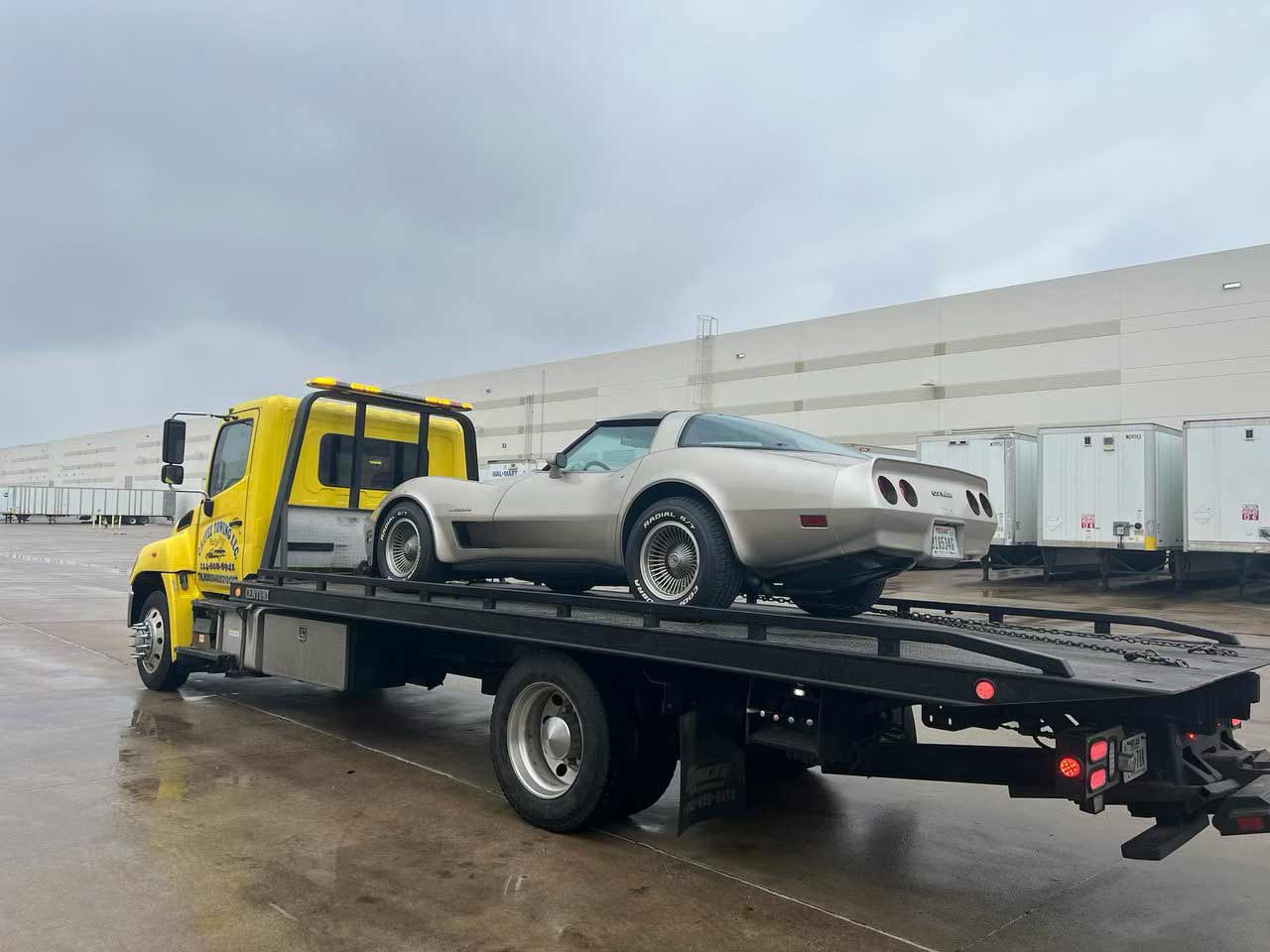
Searching how much a tow costs in Texas usually means you are stuck, stressed, and trying to avoid a surprise invoice. Tow bills are not one flat sticker price statewide. Distance, truck type, scene difficulty, and time of day all change the total. This guide explains the line items honest operators quote, what “cheap” ads often leave out, and how to get a clear number before you authorize the hook.
Chavez Towing dispatches 24/7 for light- and medium-duty calls across the DFW metroplex. For live help, call (214) 731-7327 or use our contact page with your pin and destination.
Table of contents
- What goes into a Texas tow bill
- Why $40–$50 tow ads mislead
- How truck type changes cost
- Scene factors that add time
- When roadside help is cheaper than a tow
- How to get a usable quote on the phone
- Common cost questions
What goes into a typical Texas tow bill
Most professional invoices break into a few predictable parts. Ask for each piece separately so you can compare apples to apples.
- Hook or dispatch fee — getting a truck to your pin and making the first connection.
- Loaded miles — distance while your vehicle is on the truck to the destination you choose.
- Labor / scene time — winching, tight parking decks, accident cleanup, or waiting for police.
- After-hours or weather premiums — nights, weekends, ice, and flooded access can slow safe rigging.
- Storage — only if the vehicle goes to a yard instead of your shop or home.
A short city tow with a free-rolling sedan on a clear curb is the cheapest profile. A midnight AWD SUV winched from a ditch onto a flatbed will cost more—and that difference is equipment and risk, not padding. For emergency scenes, our emergency towing page covers what to expect before units arrive.
When you hear one low number with no mileage or truck type attached, treat it as incomplete. Honest dispatch walks through hook, miles, and any likely extras before you say go.
Why “$40 towing” and “$50 towing near me” ads mislead
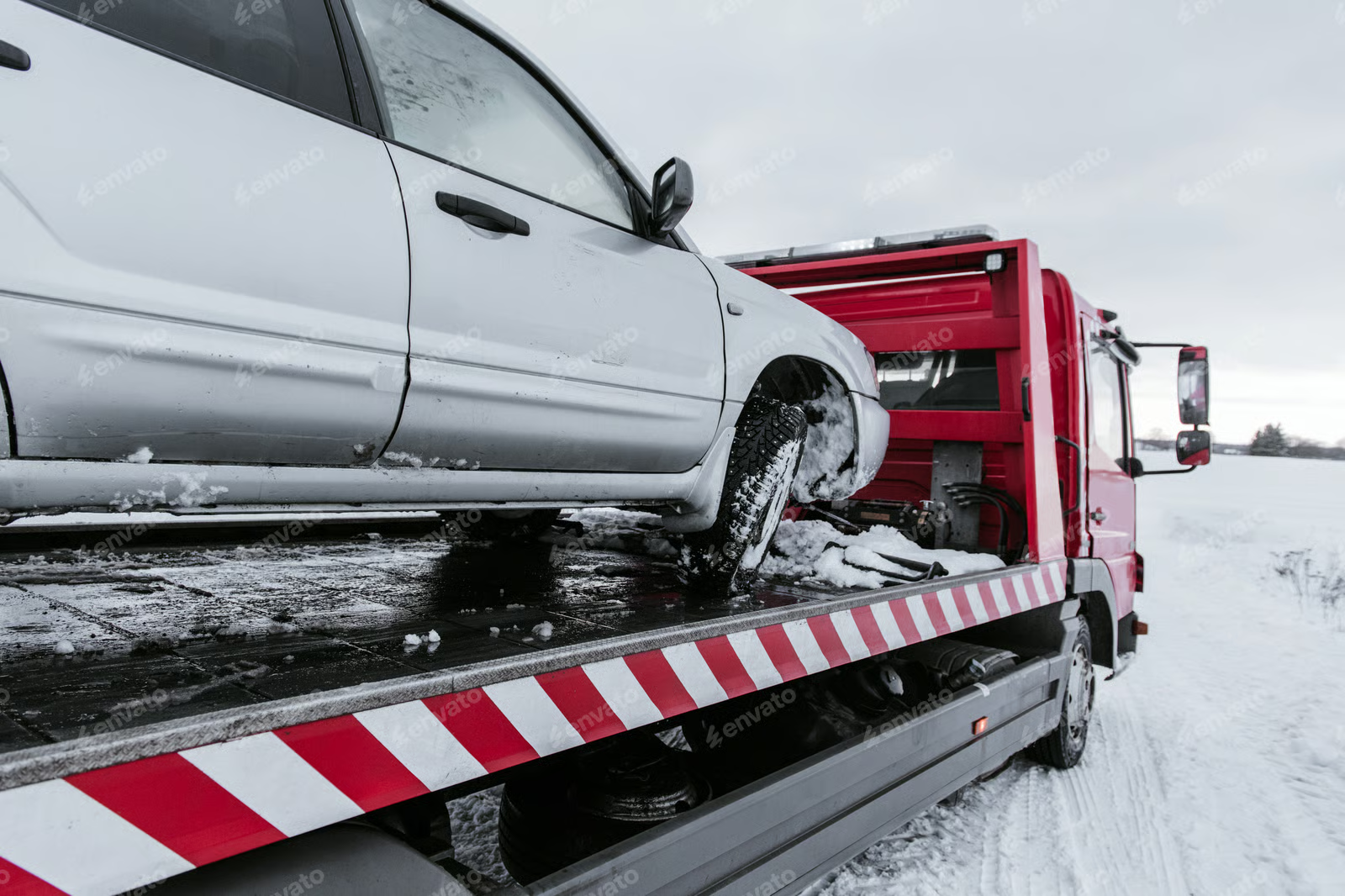
GSC and ad networks fill with ultra-low teaser rates. Those numbers rarely include loaded miles, after-hours fees, or the truck your vehicle actually needs. Operators that lead with a rock-bottom hook often make up the difference with long minimum miles, cash-only rules, or destination restrictions.
A fair process looks quieter: you share the pin, drivetrain, and destination; dispatch quotes hook plus per-mile and flags if a flatbed is required. If two companies quote wildly different totals for the same job, ask each to read the line items aloud. Misheard mileage is a common reason quotes diverge.
Our earlier guide on cheap towing without bait pricing walks through the same idea for Irving corridors—transparency beats a headline rate that doubles on arrival.
How truck type changes what you pay
Wheel-lift trucks are common for front-wheel-drive cars that roll and steer with decent clearance. Flatbeds take longer to set up but protect all-wheel drive, many EVs, lowered cars, classics, and vehicles that cannot roll safely. Sending the wrong truck to save a few dollars on the phone can create a drivetrain repair that dwarfs the tow.
Ask which equipment is included before you authorize. If dispatch hears “AWD crossover” and still quotes a basic wheel-lift, clarify. Our flatbed tow truck service and flatbed car towing in Texas guides explain when the bed is the safer—and ultimately cheaper—choice.
Medium-duty and specialty recoveries (box trucks, RVs, tractor work) use different rate cards. Share vehicle class early so you are not priced on a light-duty assumption.
Scene factors that quietly add cost
Not every breakdown is a curb-side hook. These details change labor minutes:
- Parking garage height limits and tight spiral ramps
- Private lots that require gate codes or management approval
- Vehicles stuck in mud, sand, or off-pavement soft shoulders
- Accident scenes waiting on police release
- Construction detours that add loaded miles (check TxDOT travel conditions)
Tell dispatch those constraints up front. A driver who arrives with the wrong bed for a low-clearance garage burns time—and that time shows up on the invoice. On high-speed frontage roads, follow NHTSA disabled-vehicle safety guidance: hazards on, stand clear of live lanes when you can, and keep your phone available.
When roadside help is cheaper than a full tow
Dead batteries, flat tires, and lockouts often do not need a hook. A jump, tire change, or lockout can get you moving without loaded miles. Ask dispatch whether roadside equipment is available for your scene before you assume a tow is required.
Start with our pages for jump starts, tire changes, and lockouts if those match the problem. If the car still will not roll safely afterward, you can authorize the tow with clearer information about what already failed.
How to get a usable quote in two minutes
- Share a live pin — store name, parking section, or GPS; “near the freeway” is not enough.
- Describe the vehicle — make, model, color, AWD/4WD, whether it rolls and steers.
- Name the destination — shop, home, or dealer with after-hours gate instructions.
- Ask for hook + miles — and whether after-hours or flatbed surcharges apply.
- Confirm payment — card on scene, pay at destination, or motor-club billing.
Write the quote range down. If traffic or scene conditions change, ask for an update before authorizing extras. For general “near me” dispatch expectations, see towing services near me and our breakdown guide on what to do when your car breaks down.
Common questions about tow pricing in Texas
Is there a statewide fixed tow price?
No. Private tows are market-based. Municipal or police-impound rates follow different rules when an agency orders the move.
Does longer distance always cost more?
Yes for loaded miles. Choosing a closer trusted shop often saves more than hunting the lowest hook fee with a far destination.
Will motor club coverage make my tow free?
Sometimes—within plan limits for distance and roadside type. Tell dispatch if a club truck is already en route so you do not stack two dispatches.
Why did my quote change after the truck arrived?
Usually because the vehicle would not roll, needed a different bed, or the destination changed. Ask drivers to confirm changes before work continues.
Can I ride in the tow truck?
Policies vary. Ask when you call; never assume passenger space is available.
Do you tow to dealership service lanes after hours?
Often yes when the dealer accepts drop-offs. Confirm gate codes with the dealer, then pass them to dispatch.
What if I only have a rough budget?
Say so. Dispatch can suggest a nearer destination or roadside-first options when safe.
Are cash-only tows safer?
Not necessarily. Prefer operators who itemize and provide a receipt regardless of payment method.
Does weather change the rate?
Ice, flooding, and high winds can slow safe recovery and may add scene time. Ask about conditions when storms are active.
How do I avoid storage fees?
Choose a destination that can receive the vehicle when it arrives—home driveway, open shop, or dealer with after-hours instructions—instead of a default yard.
Get a clear tow quote now
When you need a straight answer on how much a tow costs for your exact pin and vehicle, call (214) 731-7327. Share location, drivetrain, and destination so Chavez Towing can quote hook, miles, and the right truck—then roll a unit that matches the job the first time.